Bake a Timeless Easter Lamb Cake with This Classic Recipe
This guide walks home bakers through making a traditional Easter lamb cake using a specialty mold, a simple white cake batter, and fluffy frosting. It covers preparation, baking, and decorating steps, plus nutrition details for a 12-serving dessert.
 Dessert
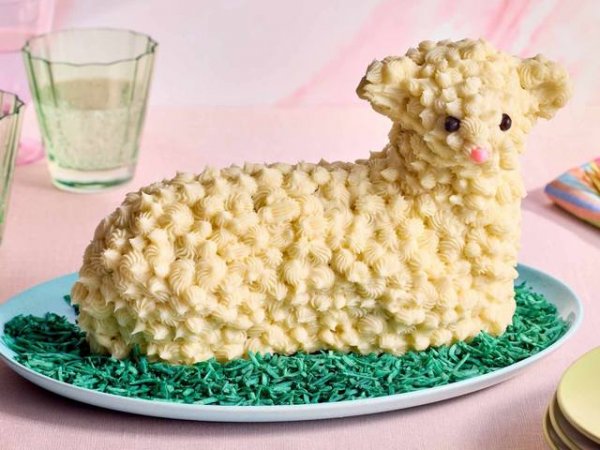
For many families, Easter dessert isn’t complete without a lamb-shaped cake, a tradition that dates back generations. This recipe uses a dedicated lamb mold and a simple white cake batter to create a festive centerpiece that serves 12. With about 90 minutes of total time—30 minutes of prep and an hour of baking—it’s a manageable project for a holiday morning.
The cake itself is built on pantry staples: cake flour, baking powder, salt, sugar, butter, milk, vanilla extract, and egg whites. The method calls for creaming butter and sugar, then adding the dry ingredients alternately with milk to keep the batter smooth. Egg whites are beaten to stiff peaks and folded in gently, which gives the cake a light, airy texture.
Working with a Lamb Mold
Before mixing the batter, the mold needs careful preparation. The recipe instructs coating the mold with vegetable oil, letting it sit for a few minutes, then wiping it clean with a paper towel. After that, grease and flour the mold thoroughly, paying extra attention to small crevices—like the lamb’s face and ears—so the cake releases cleanly.
When filling the mold, the recipe suggests pouring batter into the face-side section first. A wooden spoon can be used to gently stir the batter to release air pockets, but avoid disturbing the greased surface. The lid is then secured tightly, either by locking or tying, to prevent the two halves from separating as the cake rises. The mold goes onto a cookie sheet for stability.
Baking takes about an hour at 375°F (190°C). The cake is done when a skewer or toothpick inserted through a steam vent comes out clean. After baking, the mold cools on a wire rack for 15 minutes before the top is removed. The bottom section cools for another 5 minutes until the cake firms up, then the rest of the mold is taken off. The cake should cool completely before being set upright—this helps it hold its shape.
Decorating the Finished Lamb
Once cooled, the lamb cake is ready for frosting. The recipe recommends using your favorite white frosting and applying it with a star tip to create a textured, wool-like effect on the body. Jelly beans serve as the eyes, and the cake can be presented on a bed of green coconut grass for a springtime look.
Each serving contains approximately 257 calories, with 8 grams of fat, 42 grams of carbohydrates, and 4 grams of protein, according to the recipe’s nutrition breakdown.
This lamb cake is more than a dessert—it’s a nostalgic centerpiece that many home bakers look forward to each Easter. While the mold requires a bit of extra care, the result is a charming, homemade treat that fits right into holiday traditions.
Related Reads
 Dessert
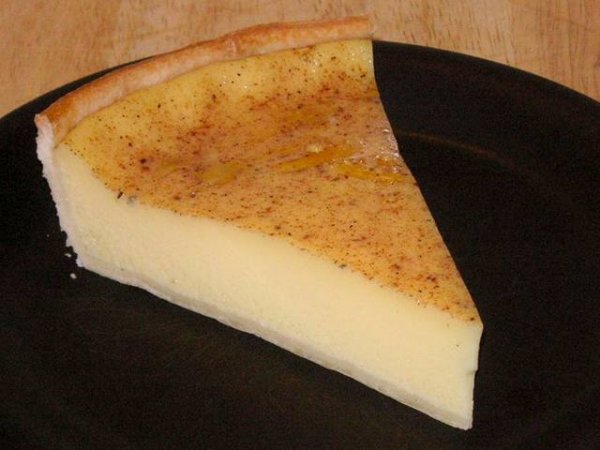
Egg Custard Pie: A Simple, Nutmeg-Scented Classic for Home Bakers
 Dessert
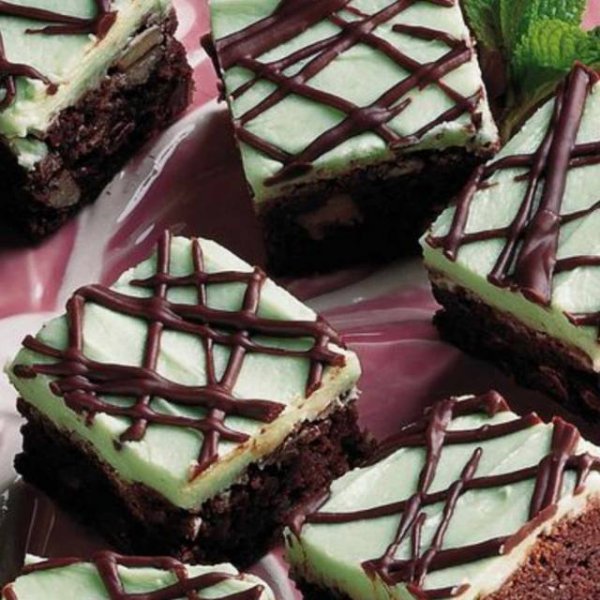
Homemade Mint-Chocolate Brownies: A Step-by-Step Baking Guide
 Dessert
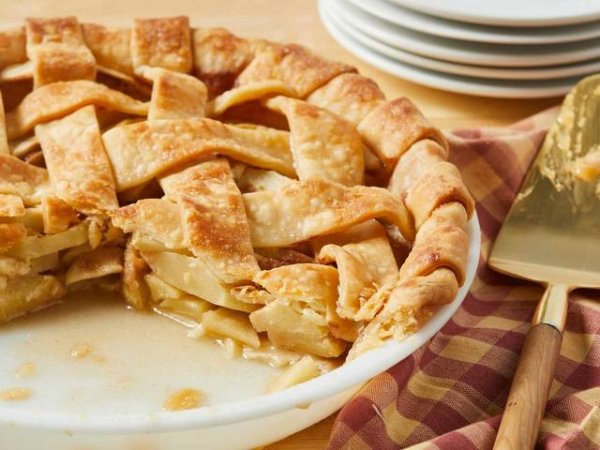
Caramel Apple Pie With Lattice Crust: A Step-by-Step Home Baking Guide
 Dessert
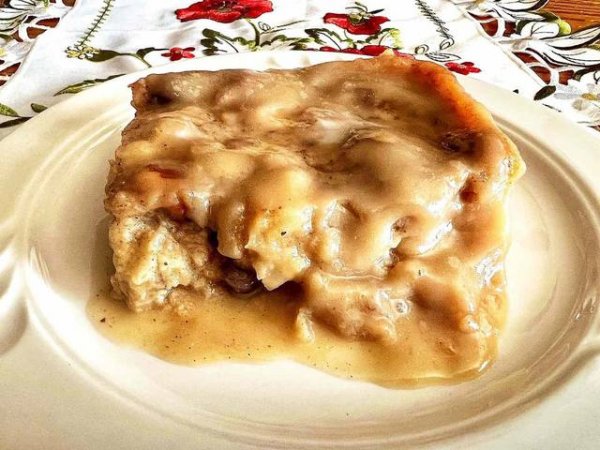
Warm Vanilla Bread Pudding With Creamy Sauce: A Step-by-Step Guide
 Dessert
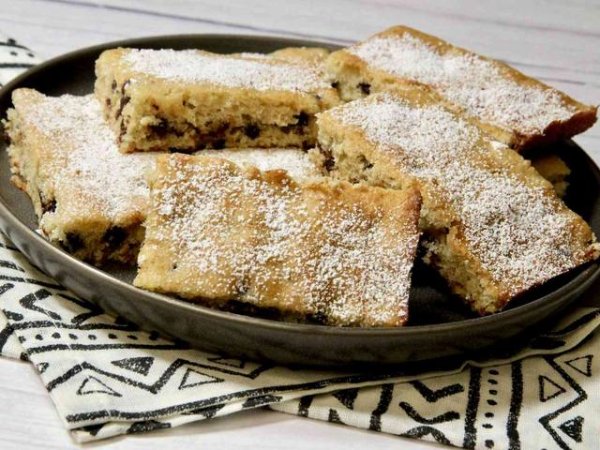
Banana Chocolate Chip Bars: A 40-Minute Homemade Snack
 Dessert
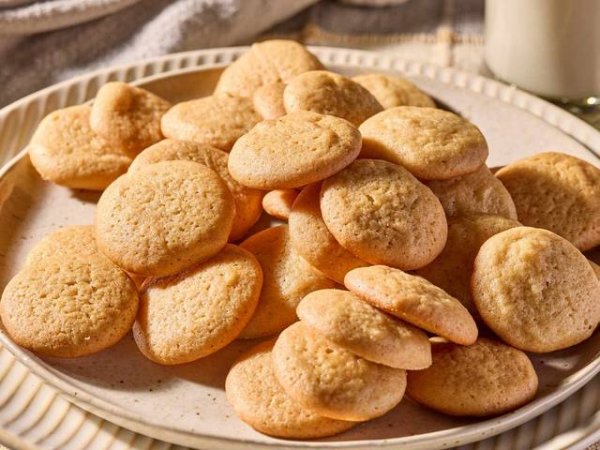
German Honey Cookies: A Family Recipe for Soft Spiced Treats
 Dessert
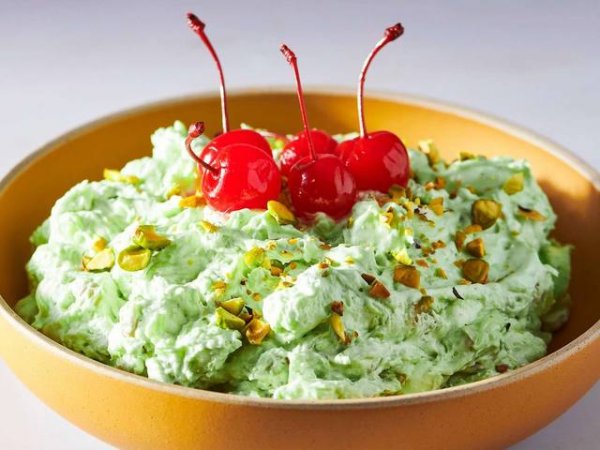
Pistachio Pineapple Salad: A Timeless Potluck Favorite Returns
 Dessert
Home Bakers Find Chewy Sugar Cookie Recipe for 30 Servings
 Dessert
Normandy Apple Tart: A French Classic with Almond Cream Filling
Stay ahead of the story
Get one weekly email with the best of Jointheraid.